
What Are the Common Signs of a Termite Infestation?
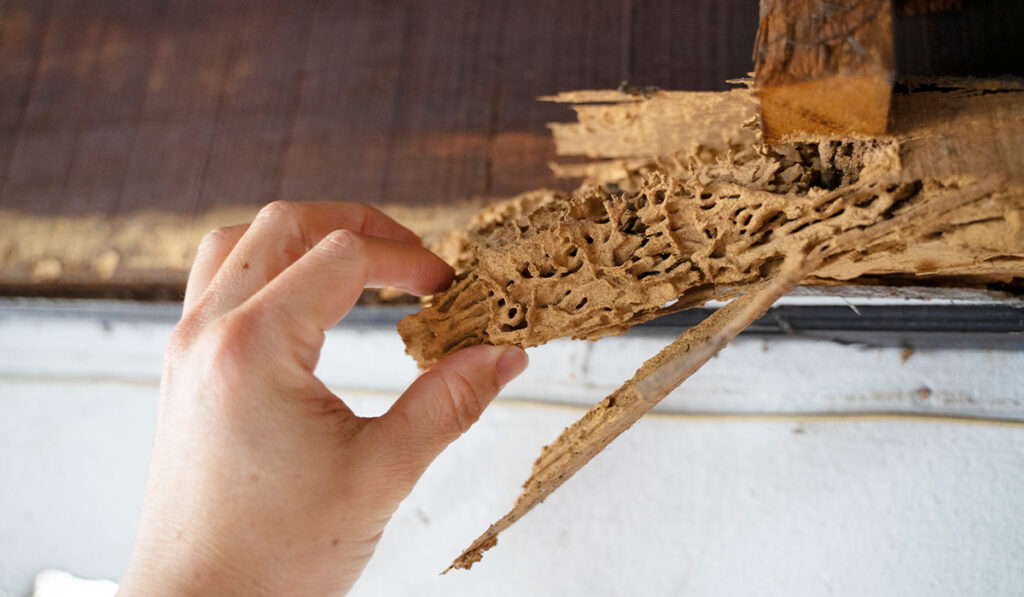
Termite infestation signs appear as visible damage and debris that homeowners can spot during routine property checks. Recognizing these warning signals early helps prevent the $5 billion in annual property damage termites cause across the U.S.
Early detection proves critical for best termite control sydney because termites operate 24/7, silently destroying structural wood before homeowners notice problems. Since insurance rarely covers termite damage, catching infestations quickly saves thousands in repair costs.
Watch for these telltale indicators:
- Mud tubes running along foundation walls or wooden beams, which termites build as protective highways
- Hollow wood that sounds empty when tapped or shows crumbling, damaged sections
- Discarded wings clustered near windows, doors, or light fixtures after termite swarms
- Frass (termite droppings) appearing as small, grainy pellets near wooden structures
- Warped doors or windows that suddenly stick or won’t close properly
- Peeling paint resembling water damage
- Loose tiles or squeaky floorboards indicating subfloor damage
- Pin-sized holes in drywall or wood surfaces
What Types of Termites Are Most Common and How Do They Affect Treatment Choices?
There are three main types of termites that commonly infest homes in the U.S.: subterranean termites, drywood termites, and dampwood termites. Each type requires a different approach to control and treatment.

1. Subterranean Termites
Subterranean termites are the most destructive and widespread type of termite. They build their colonies underground and create mud tubes to travel between their nests and food sources above ground. This behavior makes them difficult to detect until significant damage has already occurred.
2. Drywood Termites
Drywood termites are unique because they do not require contact with soil to survive. Instead, they nest directly inside wooden structures, such as furniture or walls. One distinguishing feature of drywood termites is their droppings, which are pellet-shaped and can often be found near infested areas.
3. Dampwood Termites
Dampwood termites prefer damp environments and typically infest wood that is decaying or has been exposed to moisture. They are commonly found in areas with water damage or high humidity levels.
How Termite Species Influence Treatment Choices
The habitat preferences of each termite species play a crucial role in determining the effectiveness of treatment methods:
- Subterranean Termites: Since subterranean colonies can contain millions of workers located far from visible damage, soil treatments or monitoring systems that target the entire colony are necessary for effective control.
- Drywood Termites: Drywood infestations tend to be localized within wooden structures, making spot treatments or fumigation effective options for eradication.
- Dampwood Termites: To effectively manage dampwood termite infestations, it is essential to address the underlying moisture issue by making repairs to eliminate dampness alongside pest control efforts.
The Importance of Proper Termite Identification
Accurate identification of the termite species is critical for successful treatment. Misidentifying the species can lead to failed treatments and ongoing damage:
- A chemical barrier that is effective against subterranean termites will not eliminate drywood colonies living entirely within your walls.
- Professional identification ensures that the correct treatment method is applied to target the specific behavior of the termite species posing a threat to your property.
By understanding the different types of termites and their impact on treatment choices, homeowners can take proactive measures to protect their homes from these destructive pests.
What Are the Limitations and Risks of DIY Termite Control?
The risks of DIY termite control often outweigh any potential cost savings, as most homeowner attempts fail to eliminate the colony completely. Store-bought bait systems like those mimicking professional products rarely work without proper placement and monitoring expertise, while over-the-counter chemical sprays simply don’t penetrate deep enough to reach hidden termites.
The Ineffectiveness of Natural Remedies
Natural remedies for termites—including orange oil, nematodes, or vinegar solutions—lack scientific validation and provide false security while colonies continue destroying your property. These ineffective termite treatments waste precious time during which termites cause thousands of dollars in additional damage.
Common Challenges Faced by Homeowners
Homeowners face critical obstacles when attempting DIY control:
- Misidentification of termite species leads to using completely wrong treatment methods
- Inaccessible colonies behind walls, under foundations, or in crawl spaces remain untreated
- Improper chemical handling creates health hazards for family members and pets
- Partial elimination leaves reproductive termites alive to rebuild the colony
The hidden cost becomes apparent when incomplete treatments allow structural damage to progress undetected, turning a manageable problem into a catastrophic repair bill.
How Do Professional Termite Specialists Approach Termite Control Differently?
Licensed pest control technicians begin with comprehensive property inspections that examine every vulnerable area—from foundation to attic—using specialized detection equipment like moisture meters and infrared cameras to locate hidden colonies. This thorough assessment identifies the exact termite species, infestation severity, and entry points that homeowners typically miss.
Professional termite control benefits include access to commercial-grade products and application methods unavailable to consumers:
- Liquid termiticides applied at precise concentrations around foundations
- Tent fumigation for whole-structure treatment of drywood termites
- Advanced bait systems like Sentricon that eliminate entire colonies through targeted feeding
- Injection equipment that delivers treatments deep into wall voids and structural timbers
Treatment plans address both active infestations and future prevention. Technicians create protective barriers, install monitoring stations, and schedule follow-up visits to verify colony elimination. Most services include warranties guaranteeing results, providing financial protection if termites return within the coverage period—a safeguard DIY methods never offer.
For a more in-depth understanding of the various approaches used in termite control, including detailed methodologies such as those outlined in this professional guide, it can be beneficial to explore additional resources.
When Should Homeowners Consider Calling a Termite Specialist Instead of Using DIY Methods?
Contact a licensed termite specialist immediately when you spot any infestation signs—mud tubes, hollow wood, discarded wings, or frass. Early professional intervention prevents termites from causing extensive structural damage that costs thousands to repair.
When to call termite specialist:
- Active infestation evidence like live termites, fresh mud tubes, or recent swarms
- Severe termite infestation signs including multiple affected areas or structural weakness
- Hidden damage concerns where termites may be active inside walls, foundations, or crawl spaces
- Previous treatment failures after attempting DIY methods without success
- Property transactions requiring professional documentation and treatment guarantees
Large or concealed infestations demand professional-grade equipment and expertise that DIY methods cannot provide. Specialists access areas behind walls, beneath foundations, and within structural elements where colonies typically thrive. Their risk assessments identify the full extent of damage and determine appropriate professional intervention timing before repair costs escalate from manageable to catastrophic.
How Can Routine Inspections Help Prevent Costly Termite Damage?
Routine pest inspections catch termite activity before visible damage appears, saving homeowners thousands in repair costs. Annual inspections are essential for all properties, with increased frequency recommended for homes with previous termite problems or those located in high-risk areas.
Termite inspection importance becomes most critical during peak termite seasons—spring and summer—when colonies swarm and establish new infestations. Professional inspectors identify early warning signs like mud tubes, moisture issues, and wood-to-soil contact that homeowners typically miss.
Real estate transactions demand professional termite inspections to protect both buyers and sellers. A clean inspection report preserves property value and prevents last-minute negotiation complications. Conversely, discovering an active infestation provides buyers leverage for price adjustments or required treatments before closing.
Many pest control companies offer inspection plans with scheduled visits throughout the year. These programs include:
- Comprehensive property assessments
- Detailed documentation of findings
- Treatment recommendations when needed
- Warranty protection against future infestations
Conclusion
Effective termite management requires an honest assessment of your situation and capabilities. While DIY methods may seem budget-friendly initially, they rarely address the full scope of an infestation—leaving homeowners vulnerable to continued structural damage that costs far more than professional treatment.
Choosing between DIY and professional help comes down to risk tolerance and property value. Small preventive measures work for maintenance, but active infestations demand expert intervention. Licensed specialists bring accurate species identification, proven treatment methods, and guarantees that protect your investment.
The question isn’t whether professional termite control costs money—it’s whether you can afford not to use it when $5 billion in annual U.S. termite damage hangs in the balance. Contact a termite specialist at the first sign of activity to preserve both your home’s structure and your peace of mind.
Related : How Often Should You Book a Termite Inspection in Sydney Homes?