
Why Are Regular Termite Inspections Important for Protecting Sydney Homes?
Regular termite inspections protect Sydney homes from devastating structural damage that can cost tens of thousands of dollars to repair. Sydney’s warm, humid climate creates ideal conditions for termite colonies to thrive, making properties in this region particularly vulnerable to infestation.
The Building Code of Australia recognizes this threat by mandating specific termite management requirements for all newly constructed Sydney homes. Every new property must include an approved termite management system, backed by professional termite inspection sydney at least once annually. This legal requirement reflects the serious nature of termite risk in the Sydney area.
Termites work silently within walls, floors, and structural timbers, often remaining undetected until significant damage has occurred. A single colony can contain millions of termites, consuming wood 24 hours a day. Without regular professional inspections, homeowners may remain unaware of an active infestation until:
- Floors begin to sag or feel spongy underfoot
- Door frames warp and become difficult to open
- Visible structural timber shows hollowing or damage
- Repair costs escalate into five or six figures
The importance of termite inspections lies in early detection. Professional inspectors identify warning signs before colonies establish themselves deeply within your property’s structure. This proactive approach saves Sydney homeowners from catastrophic repair bills while preserving property value and structural integrity.
How Do Subterranean Termites Cause Unseen Structural Damage in Sydney Properties?
Subterranean termites Sydney residents face operate silently beneath the ground, tunneling through soil to reach timber structures without leaving visible surface traces. These pests consume wood from the inside out, hollowing structural beams and support posts while leaving thin outer layers intact. A single colony can contain millions of termites, consuming several kilograms of timber each year—enough to compromise a home’s structural integrity within months of establishing access.
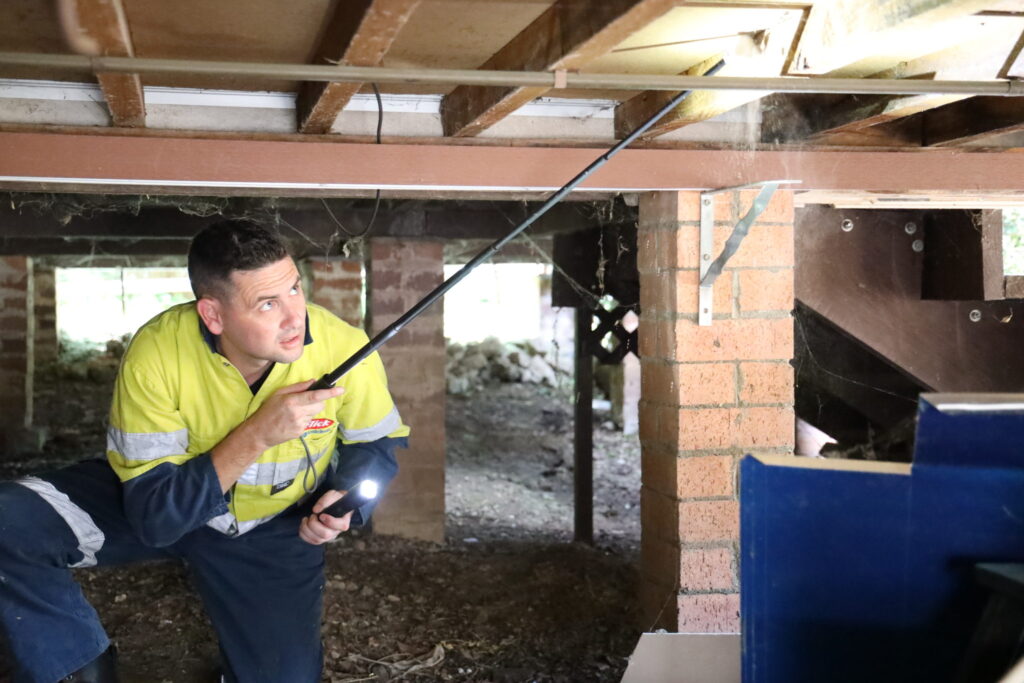
The concealed nature of their activity makes property maintenance termites particularly dangerous. Subterranean species build mud tubes to travel between soil and food sources, protecting themselves from light and maintaining the moisture they need to survive. By the time homeowners notice sagging floors or cracked walls, extensive internal damage has already occurred.
Common Termite Entry Points
Sydney homes provide numerous access opportunities for termite colonies:
- Wood-to-ground contact: Timber posts, decking, or fencing touching soil creates direct pathways
- Garden beds and mulch: Organic material against foundations offers concealed routes
- Firewood storage: Stacked timber near the house attracts foraging termites
- Tree stumps and roots: Decaying wood in the ground serves as food sources and bridges to structures
- Cracks in concrete: Gaps as narrow as 1.5mm allow termite passage into buildings
Recognizing Early Warning Signs
Detecting termite activity before major damage requires attention to subtle indicators:
- Mud tubes: Pencil-width tunnels running along foundations, walls, or pipes
- Hollow-sounding timber: Tapping wooden structures produces empty, papery sounds
- Tight-fitting doors and windows: Warped frames from termite-produced moisture
- Discarded wings: Small piles near entry points after swarming events
- Frass deposits: Fine, sawdust-like droppings near wooden surfaces such as termite frass, which are a common sign of infestation
- Bubbling or peeling paint: Moisture damage from termite activity beneath surfaces
By being vigilant and recognizing these signs early on, homeowners can take proactive measures to mitigate the risk of severe structural damage caused by subterranean termites.
What Are the Building Code Requirements for Termite Inspections in New Homes?
The Building Code of Australia mandates comprehensive termite protection for all newly constructed Sydney homes. Every new build must incorporate an approved new home termite management system before receiving occupancy approval, ensuring properties have baseline protection from the moment residents move in.
These Building Code Australia termite requirements specify that builders must install either physical barriers, chemical treatment zones, or a combination of both systems. Physical barriers include stainless steel mesh, graded stone particles, or termite-resistant building materials installed during construction. Chemical barriers involve applying liquid termiticides around the property perimeter and beneath concrete slabs to create protective zones that repel or eliminate termites attempting to access the structure.
The Code doesn’t stop at installation—it requires annual inspections as a minimum standard for maintaining termite protection. This yearly inspection requirement applies from the first year of occupancy and continues throughout the property’s lifetime. Licensed pest inspectors must verify that termite management systems remain intact and functional, checking for any breaches, degradation, or termite activity that could compromise the home’s protection.
New homeowners often mistakenly believe their builder-installed termite system provides permanent protection without maintenance. The reality differs significantly—chemical barriers degrade over time, physical barriers can be damaged during landscaping or renovations, and termites constantly probe for entry points. The annual inspection requirement exists specifically because even the most robust termite management systems need regular monitoring to remain effective.
Documentation of these inspections becomes part of the property’s maintenance records. When selling a home, buyers typically request recent termite inspection reports as part of their due diligence. Properties without documented annual inspections may face challenges during sales negotiations or require immediate inspection before settlement can proceed.
How Often Should Different Risk-Level Properties Schedule Termite Inspections?
Annual inspections serve as the baseline for low-risk properties, but most Sydney homes face higher termite threats requiring six-monthly checks. Properties classified as low-risk typically feature minimal timber-to-ground contact, effective drainage systems, and no history of previous termite activity.
The reality is that Sydney’s warm, humid climate creates ideal conditions for subterranean termites, placing the majority of homes in the higher-risk category. These properties benefit significantly from biannual inspections conducted every six months, allowing professionals to detect early warning signs before colonies establish themselves within structural timbers.
Properties Requiring Quarterly Inspections
Certain situations demand even more vigilant monitoring with inspections scheduled every three months:
- Homes with previous termite infestations – Even after successful treatment, these properties remain attractive targets for new colonies
- Properties surrounded by dense bushland or native vegetation – Natural termite habitats increase the likelihood of colony migration toward structures
- Older homes with extensive timber construction – Weathered timber and aging foundations create multiple vulnerable entry points
- Buildings near water sources – Creeks, ponds, or poor drainage areas provide the moisture termites need to thrive
- Properties with timber retaining walls or landscaping features – These elements act as bridges, giving termites direct access to your home
The termite inspection frequency you choose directly impacts your property’s protection level. While annual checks satisfy Building Code requirements, they leave significant gaps in monitoring for higher-risk homes. Six-monthly inspections strike an effective balance for most Sydney properties, catching infestations during early stages when treatment costs remain manageable and structural damage stays minimal.
Risk assessment isn’t static—factors like new landscaping, renovations adding timber elements, or changes to neighboring properties can elevate your home’s vulnerability, warranting a reassessment of your inspection schedule.
What Does a Professional Termite Inspection Involve and How Effective Are Treatments?
A professional termite inspection process covers every vulnerable area of your property, from the foundation to the roof cavity. Licensed inspectors examine all wooden structures, including wall frames, floor joists, roof timbers, door frames, and window sills. They check common entry points such as expansion joints, weep holes, cracks in concrete, and areas where timber meets soil.
Advanced Detection Tools Termites Can’t Hide From
Modern inspectors rely on sophisticated technology to uncover infestations invisible to the naked eye. For example, moisture meters detect elevated moisture levels that attract termites. Thermal imaging cameras reveal temperature variations indicating termite activity behind walls. Acoustic emission detectors pick up sounds of termites chewing through timber, while borescopes allow visual inspection inside wall cavities without demolition.
These detection tools termites cannot evade provide a comprehensive assessment that goes far beyond visual inspection alone. Inspectors produce detailed reports documenting their findings, including photographs of problem areas and specific treatment recommendations.
Treatment Longevity Doesn’t Eliminate Inspection Needs
Liquid termiticides create chemical barriers around properties that typically remain effective for 5–8 years. These treatments work by either repelling termites or eliminating colonies that contact the treated zone. Baiting systems offer an alternative approach, using monitoring stations to detect activity and deliver slow-acting toxins that workers carry back to the colony.
Despite their effectiveness, no treatment provides permanent protection. Chemical barriers degrade naturally over time through soil movement, microbial breakdown, and environmental factors. Termites can also find gaps in treated areas or bridge over barriers using mud tubes. Properties with active treatments still require regular inspections to verify the protection remains intact and catch any breakthrough activity before damage occurs.
What Are the Financial Benefits of Regular Termite Inspections for Homeowners?
Professional termite inspections deliver exceptional value when you compare the cost of termite inspections against potential repair costs termite damage can generate. A standard inspection typically ranges from $200-$400, while undetected termite damage can escalate into repair bills exceeding $10,000 to $50,000 depending on the severity and structural impact.
Most home insurance policies explicitly exclude termite damage from coverage, leaving homeowners personally responsible for all repair expenses. This exclusion transforms regular inspections from optional maintenance into essential financial protection. Without insurance backing, the full burden of structural repairs, timber replacement, and remediation work falls entirely on the property owner.
The mathematics strongly favour prevention:
- Annual inspection cost: $200-$400
- Average termite damage repair: $10,000-$50,000
- Potential savings ratio: 25:1 to 125:1
Early detection through scheduled inspections catches infestations when treatment costs remain minimal—often under $2,000 for localized problems. Delayed discovery allows colonies to expand throughout wall cavities, floor joists, and roof structures, multiplying treatment complexity and expense exponentially.
Property value protection represents another financial consideration. Homes with documented inspection histories and clean termite reports command better resale prices and smoother transaction processes. Buyers increasingly request recent inspection certificates, and properties lacking proper termite management face valuation penalties or deal complications.
When Should Homeowners Consider More Frequent Termite Inspections?
How Often Should You Book a Termite Inspection in Sydney Homes? The standard annual schedule for termite inspections may not be sufficient during certain circumstances. Homeowners should consider increasing the frequency of inspections when undertaking renovations, making structural changes, or experiencing specific property conditions that elevate the risk of termite infestation.
Renovations and termites create a particularly precarious situation. Construction work exposes fresh timber, creates vibrations that attract termites, and often disturbs existing termite barriers. It’s advisable to schedule inspections before, during, and immediately after renovation projects to identify any termite activity triggered by the construction process.
Frequent Termite Inspection Triggers
Certain situations warrant more frequent inspections, such as quarterly or bi-monthly:
- Active construction or extensions that introduce new timber materials
- Landscaping changes involving soil disturbance near the foundation
- Water damage or plumbing leaks creating moisture-rich environments that termites favor
- Previous termite history on the property or neighboring homes
- Dense vegetation growth against external walls
- Stored timber or mulch placed near the building perimeter
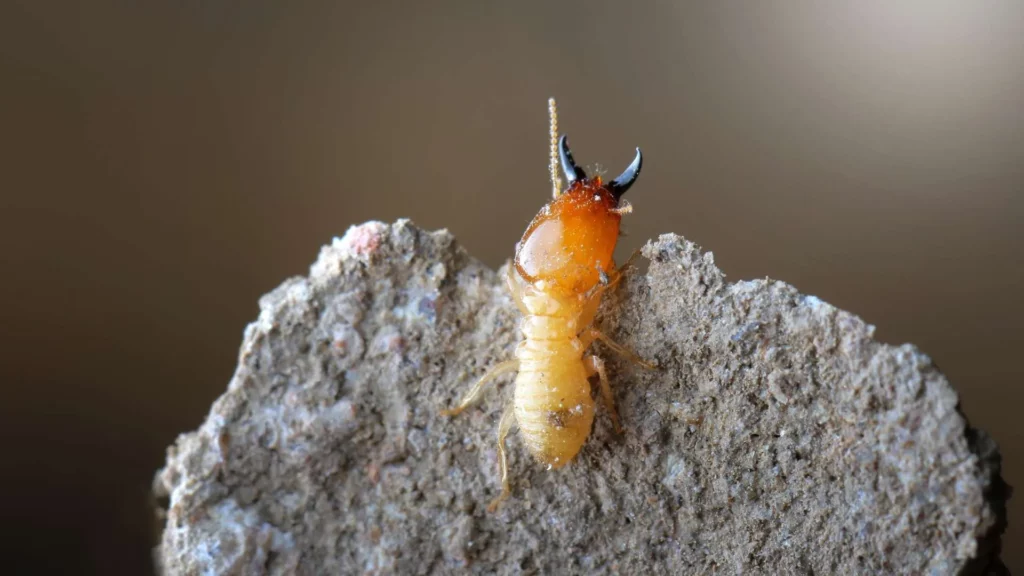
Properties situated in bushland settings or those with significant tree coverage require more vigilant monitoring. Homes built on slabs with concealed subfloor areas also benefit from increased inspection frequency, as these spaces provide ideal conditions for undetected termite colonies to establish and spread throughout the structure.
Moreover, homeowners can refer to resources like this residential manual for additional guidance on maintaining their properties and preventing infestations.
Conclusion
How often should you book a termite inspection in Sydney homes? At minimum, schedule professional inspections annually for all properties—this baseline protects your investment and ensures early detection of termites before they cause extensive damage.
The recommended termite inspection frequency Sydney experts advise depends on your property’s specific circumstances:
- Low-risk properties: Annual inspections suffice
- Standard Sydney homes: Six-monthly checks provide optimal protection
- High-risk locations: Quarterly inspections prevent costly infestations
- During renovations: Increase frequency temporarily
Most insurance policies exclude termite damage, making regular inspections your primary defense against financial loss. A $200–$400 inspection costs significantly less than the $10,000+ average repair bill from undetected termite activity.
Your property’s age, location, previous termite history, and surrounding environment all influence ideal inspection timing. Consult a licensed pest inspector to assess your specific risk level and establish a customized inspection schedule that keeps your Sydney home protected year-round.
Related : DIY vs Professional Termite Control: When to Call a Termite Specialist