
What makes Sydney homes prone to infestations?
Sydney’s climate supports year-round pest activity, with spikes after rain, heatwaves and humidity. Many properties also have easy pest access points such as subfloor voids, roof cavities, garden beds against exterior walls, and gaps around pipes.
Professional Sydney pest control providers often find that infestations persist when there is a repeatable resource: crumbs, pet food, compost, leaking taps, damp timber, or clutter that creates harbourage.
How can they tell the difference between an infestation and a random pest sighting?
An infestation shows patterns, not accidents. Repeated sightings in the same area, droppings, odours, damage, or activity at night often indicate a breeding population rather than a single intruder.
A good rule is frequency plus evidence. If they see the pest more than once a week, or find physical signs, it is worth acting quickly before numbers build.
What does a cockroach infestation look like in Sydney homes?
Cockroach infestations usually present as nighttime activity, droppings that resemble coffee grounds, shed skins, and a musty smell in cupboards or behind appliances. They often appear first in kitchens, laundries and bathrooms because moisture and warmth are reliable.
Control typically involves targeted gel baits, dusting into voids, and reducing water sources. If residents only spray visible roaches, the nest usually remains active and rebounds.
Why do ants keep coming back even after they clean?
Ants return because cleaning removes the food, not the colony. Sydney homes commonly deal with trail-forming species that lay scent paths to and from food or water, including sinks, bins and pet bowls.
Effective control focuses on baiting so workers carry slow-acting toxicant back to the nest. Sealing entry points and fixing moisture issues helps, but without colony-level treatment, the trails often reappear.
How do they know if it is termites, not “just timber damage”?
Termite activity is often hidden, so the first signs can be subtle: bubbling paint, hollow-sounding timber, tight doors, or fine mud “leads” on walls and stumps. In Sydney, subterranean termites are a major concern because they travel from soil to timber via concealed pathways.
Professional management usually includes inspection, moisture assessment, and either a baiting programme or a chemical barrier, depending on the structure and risk. DIY sprays rarely reach the colony and can worsen the problem by pushing termites to spread.
What are the clearest signs of a bed bug infestation?
Bed bugs often reveal themselves through itchy bites, small blood spots on sheets, and pepper-like black marks around mattress seams, bed frames and skirting boards. They do not indicate poor hygiene; they are typically introduced via luggage, visitors, or second-hand furniture.
Treatment generally requires detailed inspection and a multi-step plan such as heat, residual products, and follow-up visits. Quick “bombing” treatments often fail because bed bugs hide deep in cracks and can survive missed applications.
Why do rodents show up in roofs and kitchens?
Rodents are drawn to warmth, nesting material, and easy food. Common signs include scratching in ceilings at night, droppings in cupboards, chewed packaging, rub marks along walls, and gnawing on wires or timber edges.
Pest control usually combines trapping or baiting with exclusion. Without sealing entry points such as gaps under doors, roof tiles, weep holes, and pipe penetrations, new rodents often replace the removed ones.
How can they spot fleas before they spread through the house?
Flea infestations commonly start with pets, but they can also arrive via wildlife in roof voids or underfloors. Residents often notice bites around ankles, pet scratching, or small jumping insects on socks and rugs.
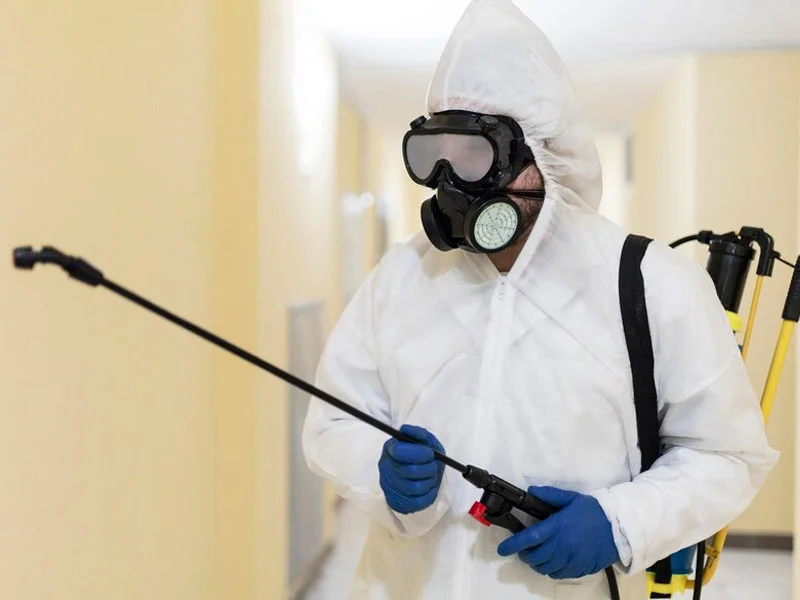
Successful control typically requires treating the pet (through a vet-approved product), vacuuming thoroughly, washing bedding, and treating carpets and cracks where larvae develop. If they treat only the pet or only the home, fleas often cycle back within weeks.
What does a spider problem usually indicate, and when is it serious?
A “spider problem” is often a sign of abundant prey insects. Webbing around eaves, garages, sheds and garden furniture can build quickly, especially where outdoor lighting attracts moths and flies.
Most situations are managed with exterior treatments, web removal, and reducing insect activity near entry points. If residents suspect medically significant species or notice repeated indoor sightings, professional identification and a targeted approach is safer than routine spraying.
When should they call a Sydney pest control professional?
They should consider professional help when sightings are frequent, evidence is clear, or the pest carries risk, such as termites, rodents, bed bugs, or recurring cockroach activity. Professionals can confirm the species, locate harbourage, and use treatments designed to reach the source.
The fastest results usually come from combining treatment with practical prevention: sealing gaps, reducing moisture, improving food storage, and keeping high-risk areas like kitchens and roof spaces less hospitable.
FAQs (Frequently Asked Questions)
Why are Sydney homes particularly prone to household pest infestations?
Sydney’s climate supports year-round pest activity, with increases after rain, heatwaves, and humidity. Many homes have easy access points for pests such as subfloor voids, roof cavities, garden beds against exterior walls, and gaps around pipes. Infestations persist when food crumbs, pet food, compost, leaking taps, damp timber or clutter provide reliable shelter and resources.
How can I distinguish between a random pest sighting and an actual infestation in my home?
An infestation shows patterns rather than one-off occurrences. Repeated sightings in the same area, droppings, odours, damage or night-time activity often indicate a breeding population. If you see the pest more than once a week or find physical signs like droppings or damage, it’s important to act quickly before numbers increase.
What are the typical signs of a cockroach infestation in Sydney homes and how is it controlled?
Cockroach infestations usually manifest as night-time activity, droppings resembling coffee grounds, shed skins and a musty smell in cupboards or behind appliances. They often appear first in kitchens, laundries and bathrooms due to moisture and warmth. Control involves targeted gel baits, dusting into voids and reducing water sources; simply spraying visible roaches is ineffective as nests remain active.
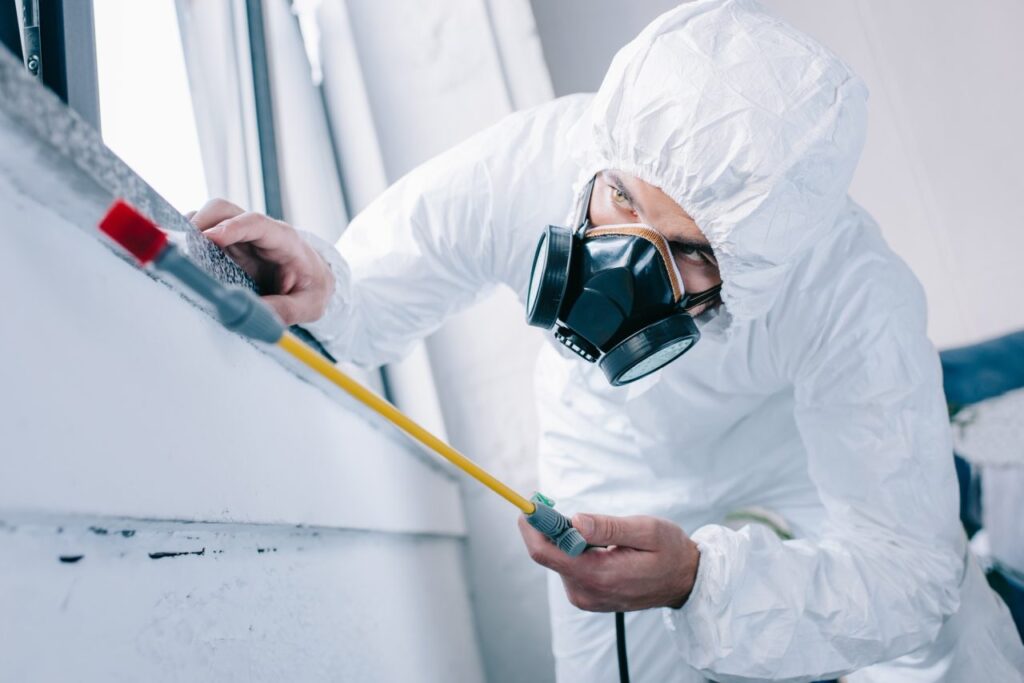
Why do ants keep returning even after thorough cleaning, and how can they be effectively controlled?
Cleaning removes food but not the ant colony. Many trail-forming ant species lay scent paths to food or water sources like sinks, bins and pet bowls. Effective control focuses on baiting so worker ants carry slow-acting toxicants back to the nest. Sealing entry points and fixing moisture issues help prevent re-infestation but colony-level treatment is essential.
What are the early indicators of termite activity compared to general timber damage in Sydney homes?
Termite activity is often hidden with subtle signs such as bubbling paint, hollow-sounding timber, tight doors or fine mud ‘leads’ on walls and stumps. Subterranean termites travel from soil to timber through concealed pathways. Professional management includes inspection, moisture assessment and either baiting programmes or chemical barriers; DIY sprays rarely reach colonies and may worsen spread.
When should I call a professional pest control service in Sydney for household infestations?
Professional help is recommended when pest sightings are frequent or evidence like droppings or damage is clear—especially for high-risk pests such as termites, rodents, bed bugs or recurring cockroach infestations. Experts can accurately identify species, locate harbourage sites and apply treatments that target the source while advising on prevention measures like sealing gaps and reducing moisture.
See Also: Pest treatment Sydney: what’s included in a standard service?